

Why Is Fall Roof Maintenance Necessary in Kingston, NY?
Fall is a pivotal time for roof care due to changing weather patterns. In Kingston, NY, fluctuating temperatures, falling leaves, and increased rainfall can reveal or worsen roof vulnerabilities. Proactive upkeep during this season helps prevent costly winter damage, water intrusion, and energy loss.
Local homes often contend with leaves clogging gutters and moss growth in damp, shaded areas. Prompt attention in autumn sets up a roof to endure winter snow, ice dams, and freezing temperatures.
What Are the Main Tasks Involved in Fall Roof Upkeep?
The most effective fall roof maintenance tasks include clearing debris, inspecting critical areas, and making minor repairs before conditions worsen. These steps are manageable for most homeowners and protect against leaks and structural issues.
Key actions:
- Remove leaves, twigs, and branches from the roof surface and valleys.
- Inspect and clean gutters and downspouts to prevent blockages and ice dams.
- Check for loose, missing, or damaged shingles.
- Examine flashing (metal joints around chimneys, skylights, and vents) for gaps or rust.
- Look for trapped moisture, moss, or algae growth, especially on north-facing or shaded areas.
- Trim tree limbs that overhang the roof to reduce debris and the risk of storm damage.
How Do Gutters Impact Roof Health Each Fall?
Gutters are the roof’s primary defense against water damage. When clogged by autumn leaves or debris in Kingston, gutters can’t channel water away, increasing the risk of leaks and ice dams that force water under shingles.
Thorough cleaning is essential each fall:
- Wear gloves and eye protection when clearing gutters.
- Check that downspouts direct water well away from the home's foundation.
- Flush gutters with a hose to confirm good water flow.
- Secure any loose fasteners that allow gutters to pull away from the house.
Neglecting gutter care is one of the most common — and avoidable — causes of winter roof issues in local neighborhoods.
Which Fall Weather Factors Cause the Most Roof Damage?
Kingston’s autumn brings rain, early frost, and falling debris, all of which target vulnerable roofs.
- Wet leaves and pine needles trap moisture, leading to rot and shingle deterioration.
- Repeated freeze-thaw cycles create tiny cracks in shingles and flashing, allowing water entry.
- High winds from seasonal storms can dislodge shingles or expose weak spots where water can enter.
Assessing the roof promptly after heavy wind or prolonged rain ensures small problems don’t escalate. Residents sometimes overlook roof edges and corners, yet these areas are most prone to wind-lifted shingles and leaks.
How Can Residents Safely Inspect Their Roof in the Fall?
Safety is crucial whenever inspecting a roof, especially with slippery leaves and the unpredictable fall weather.
Best practices for safe inspection:
- Use a sturdy ladder on solid, level ground.
- Wear nonslip shoes with good tread.
- Avoid walking on steep or wet roofs; use binoculars for a ground-level view.
- Pair up when possible to have support in case of an accident.
- Never attempt to climb onto a roof in windy, icy, or wet conditions.
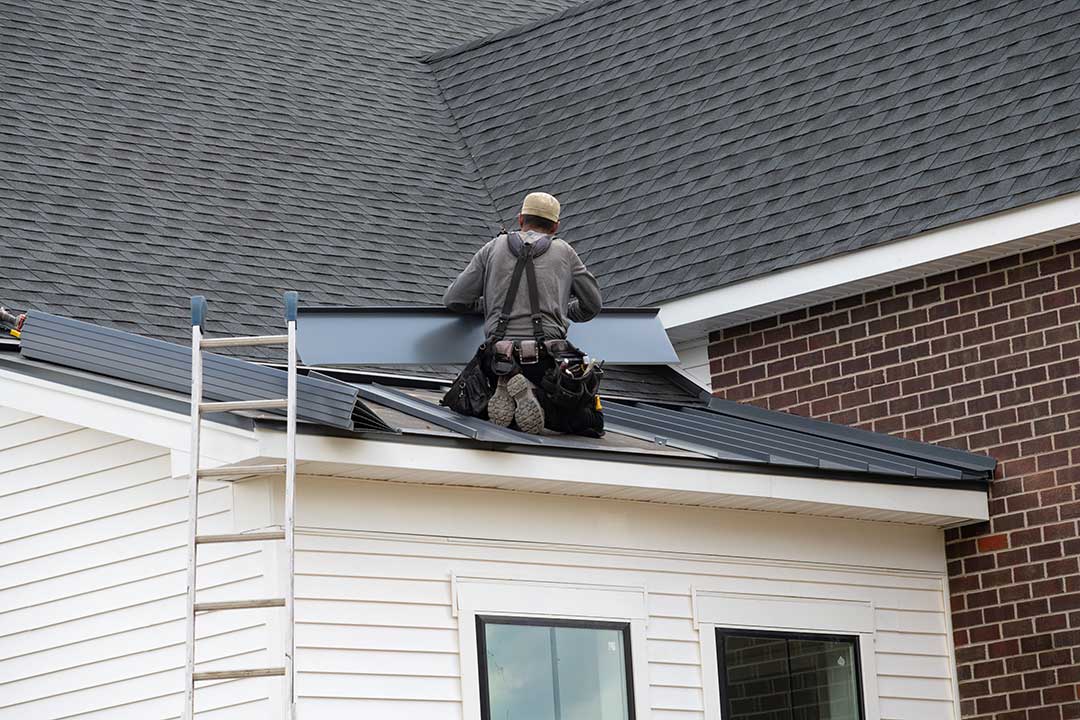
Most fall roof checks can be done visually from the ground or by using a camera with a zoom lens if needed.
Are There Specific Concerns for Older Roofs This Season?
Older roofs in Kingston are especially susceptible to autumn and winter damage due to accumulated wear and weakened materials. Local homes with asphalt shingles nearing the end of their lifespan are prone to granule loss, curling, or cracking when temperatures begin to drop.
Pay extra attention to:
- Evidence of granule buildup in gutters (sign of shingle aging)
- Sagging or soft spots indicating possible rot beneath the surface
- Rusty, loose, or detached flashing points
Homeowners sometimes misjudge the extent of aging or damage, especially if the attic isn’t checked for water stains or damp insulation after fall storms.
What Maintenance Tasks Should Be Left Until Next Season?
Most debris removal, gutter cleaning, and visual inspections are best handled in the fall before winter snow. However, some repairs are better planned for spring when materials are more pliable and conditions safer.
- Major shingle replacements or re-roofing are challenging once regular frost sets in.
- Large-scale moss or algae treatments are typically more effective in late spring or early summer.
If a roof suffers noticeable leaks or safety concerns in fall, temporary steps like tarping can limit damage until comprehensive repairs are possible in milder weather.
What Are Common Roof Maintenance Misconceptions Locally?
Residents sometimes assume that only visible damage matters or that newer roofs don’t need fall care. However, even relatively new systems can suffer from clogged gutters, leaf buildup, or hidden flashing issues, especially following a windy autumn.
Another misconception is that occasional heavy cleaning using pressure washers will solve moss or staining problems. High-pressure washing often damages shingles and can shorten a roof’s lifespan.
Steady, gentle upkeep and early detection are far more effective ways to maintain roof health in the local climate.
