
How Can Neglecting Roof Repairs Lead to More Extensive Damage?
Ignoring minor roof issues rarely means they disappear—more often, they quietly worsen. In Kingston, NY, small leaks, loose shingles, and flashing gaps develop into bigger structural problems because of our region’s mix of heavy spring rains, damp autumns, and freeze-thaw cycles.
When water gets beneath compromised roofing materials, it can:
- Soak attic insulation, reducing its effectiveness and encouraging mold growth
- Rot wooden roof decking or roof trusses, threatening structural safety
- Cause ceilings or walls to become stained, warped, or even collapse in severe cases
Once water reaches inside, repairs grow more complex and expensive. Unaddressed small repairs can force area residents to replace large roof sections—or entire roofs—sooner than expected.
What Are the Most Common Signs You Really Shouldn’t Ignore?
Even minor changes can indicate developing problems, especially in older Kingston housing stock. Watch for:
- Stains on interior ceilings and walls after storms
- Damaged, curling, or missing shingles after wind or ice events
- Granules from asphalt shingles collecting in gutters
- Musty smells in attics, signaling trapped moisture
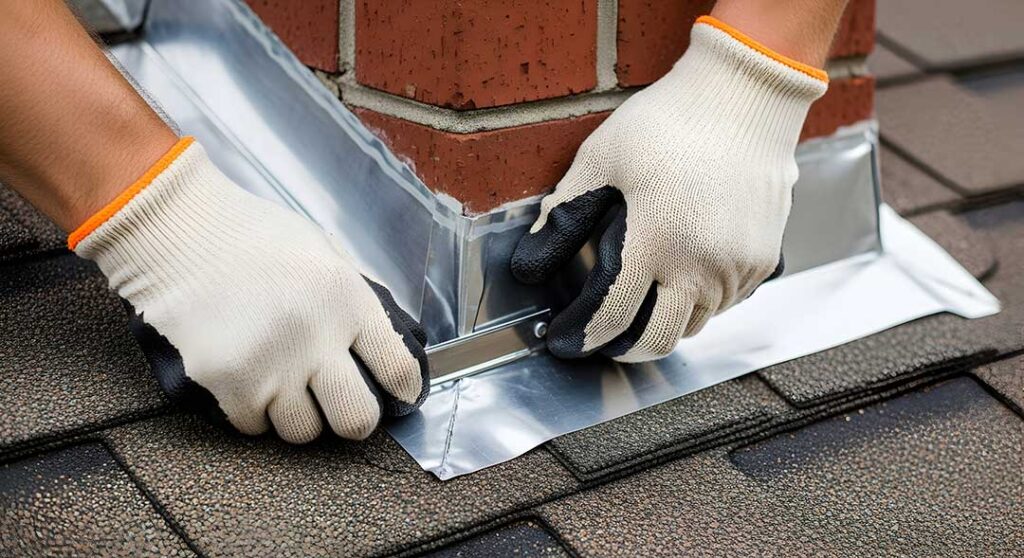
- Flashing peeling away from chimneys or roof penetrations
These clues suggest your home’s weather barrier is compromised and needs timely attention. Regularly checking attics and upper rooms can catch trouble early.
Does Our Local Climate Make Roof Neglect Riskier?
Annual freeze-thaw cycles in Kingston worsen small roof flaws. Water seeps into cracks during rain or melting snow, then freezes as temperatures drop, forcing gaps wider. Over years, this cycle accelerates shingle loss, leaks, and wood rot.
Spring and summer storms, which can bring wind-driven rain and occasional hail, often lift or crack already weakened shingles. Combined with many older homes in the area, these local conditions call for responsive maintenance to avoid cumulative damage.
Can Putting Off Roof Repairs Affect Energy Bills or Indoor Comfort?
A weather-tight roof insulates and protects the entire home. Once insulation or wood becomes saturated from leaks:
- Heating and cooling systems must work harder to maintain indoor temperature
- Energy bills rise, especially in months with temperature extremes
- Ice dams are more likely to form, worsening water entry in winter
Residents sometimes overlook subtle increases in energy costs—only to later discover hidden roof damage as the underlying cause.
Are There Health and Safety Risks from Delayed Roof Work?
Unaddressed roof leaks lead to persistent dampness in attics or upper story rooms. Even a small amount of moisture allows mold and mildew to grow, which can:
- Trigger allergies or aggravate asthma
- Cause general indoor air quality concerns, particularly for young children or older adults
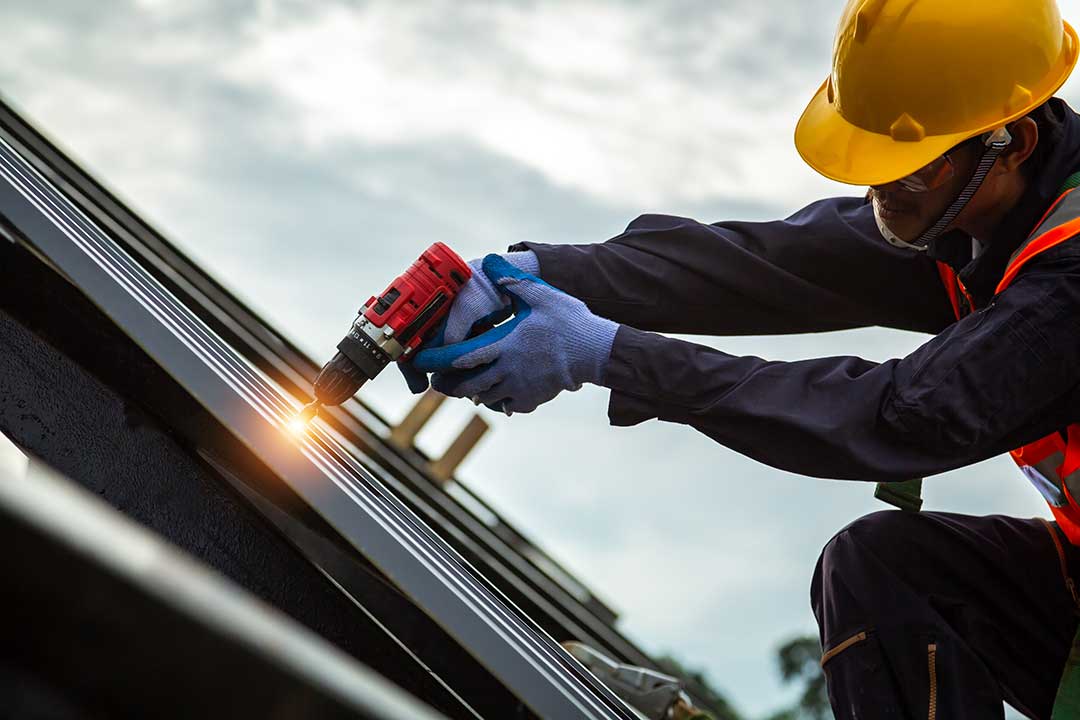
Worse, soaked insulation or framing can weaken structural supports. In rare cases, a sagging or rotting roof deck may pose a risk of collapse during heavy snow accumulation.
What About the Value and Longevity of My Home?
Prospective buyers or appraisers will notice signs of roof neglect. Stains, patched ceilings, or visible shingle loss often decrease a property’s value—sometimes forcing costly last-minute repairs before a sale can proceed.
Regular attention to even modest roof concerns:
- Extends the useful life of a major home system
- Protects interior finishes and furnishings from water disasters
- Demonstrates good home stewardship, supporting area property values
Why Do Minor Issues Get Overlooked, and What Should Residents Prioritize?
Common misconceptions—such as assuming a small leak is only a cosmetic issue, or overestimating how much longer an aging roof will last—lead to avoidable problems. It’s also easy to put off repairs in milder months, only to regret delays when storms arrive.
For area households, the most important steps are:
- Checking the attic and upper rooms for early signs of leaks—especially after storms or snowmelt
- Clearing gutters regularly to prevent overflow and ice dams
- Addressing even modest shingle or flashing damage quickly, rather than waiting for multiple issues to stack up
When Is It Critical to Seek Outside Help?
Routine upkeep, like debris removal or visual inspection from the ground, is generally safe for homeowners. But if you spot sagging rooflines, widespread water stains, evidence of electrical hazards, or signs of mold, repairs may involve risks beyond DIY methods—especially if there’s a possibility of unsafe ladders, electrical contact, or structural instability. In such cases, bringing in qualified help is prudent to ensure safe, thorough assessment and repair.
