
Why Do Shingles Curl and Crack in Kingston, NY?
Shingle curling and cracking happen when roofing materials break down due to age, weather exposure, or installation issues. In Kingston, the mix of cold winters, humid summers, and frequent freeze-thaw cycles adds extra stress to roofs.
Several factors contribute to these problems:
- Weather extremes: The local climate cycles between snowy winters, rainy springs, and hot, humid summers. These fluctuations cause shingles to expand and contract, which often leads to curling at the edges or corners.
- Moisture: High humidity or roof leaks allow moisture to get trapped under shingles, weakening the material and making curling or cracking more likely.
- Age: Most asphalt shingles last 15-25 years. As they age, the oils that keep shingles flexible dry out, making the surface brittle and prone to cracking.
- Improper ventilation: Kingston’s older homes sometimes have attic spaces that trap warm, moist air. Without proper ventilation, this can speed up deterioration.
- Poor installation: Misaligned shingles, too few nails per shingle, or improperly layered underlayment can leave roofs vulnerable from the start.
What Are the Signs of Shingle Problems Local Residents Should Watch For?
Early detection limits more costly damage. The most common symptoms include:
- Shingle edges lifting or curling upward instead of lying flat
- Surface cracks, especially after cold snaps or heat waves
- Brittle or easily broken shingles
- Patches of missing granules, sometimes visible in gutter debris
- Noticeable roof leaks, or water stains on ceilings, especially after storms
Sometimes these signs are only visible on certain areas of the roof—sun-exposed slopes or overhanging sections are often first affected.
How Can Homeowners Prevent Further Damage?
Prompt, preventative steps can slow down deterioration and extend the lifespan of a roof in the city.
- Remove debris regularly: Keep roofs and gutters clear of leaves and sticks, especially after seasonal storms, to reduce moisture buildup.
- Check ventilation: Ensure attic vents (soffits and ridges) allow air to circulate properly, which reduces trapped heat and moisture.
- Address roof moss and algae: Moss traps moisture. In Kingston’s shady neighborhoods, gently brushing off moss and applying a solution designed for roofing helps protect shingle life.
- Fix minor leaks right away: Even small roof leaks can quickly worsen shingle problems, especially in ice-prone winters.
Professional help may be needed if shingles are severely damaged, but many preventative tasks can be safely managed by area homeowners.
Is Replacing Curling or Cracked Shingles Always Necessary?
Not always—small areas can often be patched, especially if most of the roof is still in good shape and leaks haven’t developed.
- Minor curling: Sometimes, curled shingles can be gently warmed (on a warm day or with a hair dryer) and re-adhered with roofing cement. Only attempt this on lower slopes you can access safely.
- Isolated cracks: Asphalt shingle sealant can fill superficial cracks if the base of the shingle is still sound.
- Widespread damage: If many shingles are affected—especially if the roof's surface is brittle or missing granules—replacement may be unavoidable to maintain water resistance.
Always check shingle warranty requirements and local building codes if considering repairs.
How Does Kingston’s Climate Affect Roofing Longevity?
The city’s unique seasonal changes create specific risks. Winters with frequent freezing rain or snow build-up can lift shingles, allowing water beneath. Spring thaws and summer heatwaves then dry out shingles too rapidly, causing cracking and curling.
- Ice dams: These form when melted snow refreezes at the roof’s edge, pushing water under shingles and accelerating curling.
- Humidity: Summers often bring muggy air that keeps roofing materials damp and vulnerable to mold, mildew, and surface breakdown.
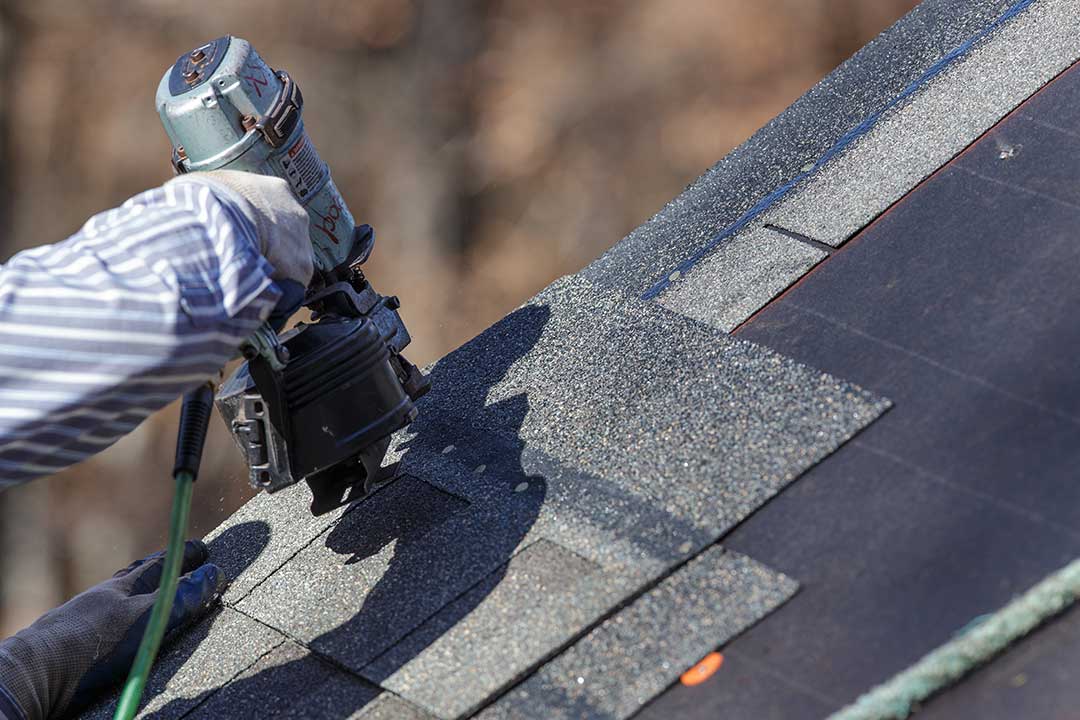
Local experience shows that regular roof checks—especially after extreme weather—help address minor issues before they spread. Residents who overlook annual inspections often discover shingle curling or cracking only after indoor leaks develop.
What Are Common Misconceptions About Shingle Maintenance?
Several widespread misunderstandings can risk further roof problems:
- “All curling or cracked shingles must be replaced immediately.” Some issues are cosmetic or limited in scope and can be managed with careful spot repairs.
- “Using sealant solves all problems.” Sealants can temporarily patch some cracks, but they don’t address underlying age or moisture problems.
- “DIY repairs are always safe.” Climbing on steep or snowy roofs is hazardous, especially during Kingston’s slippery winters. Safety should always come first.
When Does Shingle Damage Require Immediate Attention?
Some warning signs mean the risk of leaks or structural damage is high:
- Large areas of curling, especially near roof edges, valleys, or around chimneys
- Multiple shingles with deep cracks exposing the black underlayer
- Water spots inside the home that grow after each rainfall
- Pieces of shingle material found on the ground after storms
In these cases, delaying repairs could raise the risk of interior water damage, insulation problems, or even hidden mold.
What Should You Know About Roof Material Choices for Kingston Homes?
Local weather patterns play a key role in how different roofing materials age. Traditional asphalt shingles are affordable and common, but premium architectural shingles or metal options are sometimes used for added longevity.
- Darker shingles absorb more heat, which might speed up drying after snow but can also raise summer attic temperatures.
- Lighter colors may soften temperature swings but show stains more readily.
- Thicker shingles tend to resist curling and cracking longer but are more expensive to install.
When planning roof work, both the age of the home and the likelihood of heavy snow or high humidity should be part of decision-making.
