
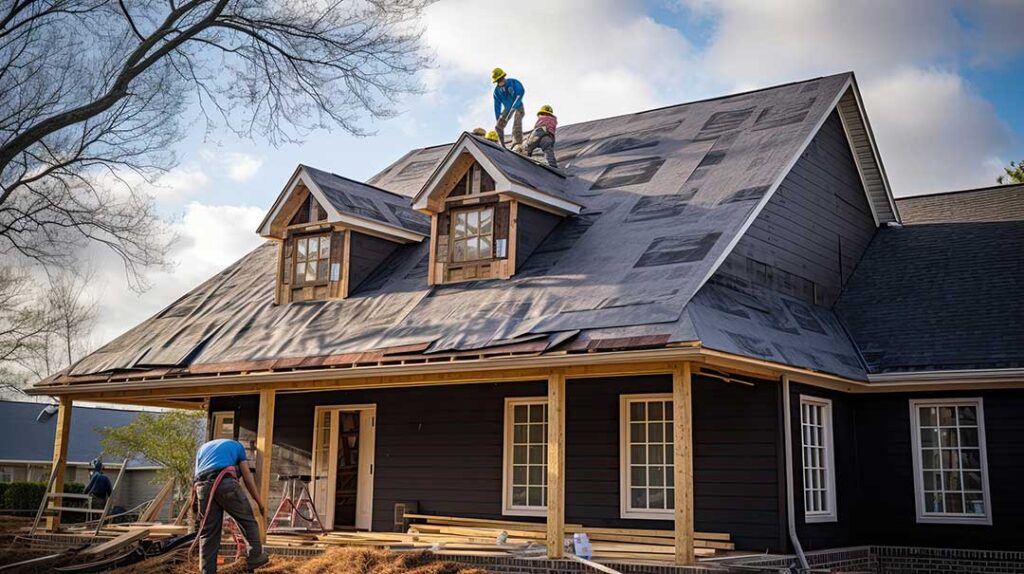
What Is the Main Difference Between Re-Roofing and Roof Replacement?
Re-roofing and roof replacement are two approaches to solving major roofing issues, but they are not the same process. Re-roofing installs a new layer of shingles over an existing roof, while roof replacement involves removing the old roofing material down to the roof deck before installing new shingles.
This fundamental difference affects cost, lifespan, and when each method is appropriate. Understanding the distinction can help local residents choose the right solution for their home’s needs, particularly given the climate and typical housing stock in Kingston, NY.
—
When Might Re-Roofing Be an Option?
Re-roofing is only allowed under certain circumstances and can only be performed if your existing roof has just one layer of shingles and is still in generally good structural condition. This practice is sometimes called an "overlay."
- Re-roofing is faster and less expensive than a full roof replacement because it does not involve tearing off the old shingles.
- However, it does not address any underlying problems, such as rotted decking, moisture damage, or significant sagging.
- Most municipal codes (including those relevant for homes in Kingston, NY) allow only a maximum of two layers of roofing material for safety and weight concerns.
Re-roofing is typically considered only when a roof is nearing the end of its life but is otherwise free of leaks or structural damage.
—
When Is a Full Roof Replacement Necessary?
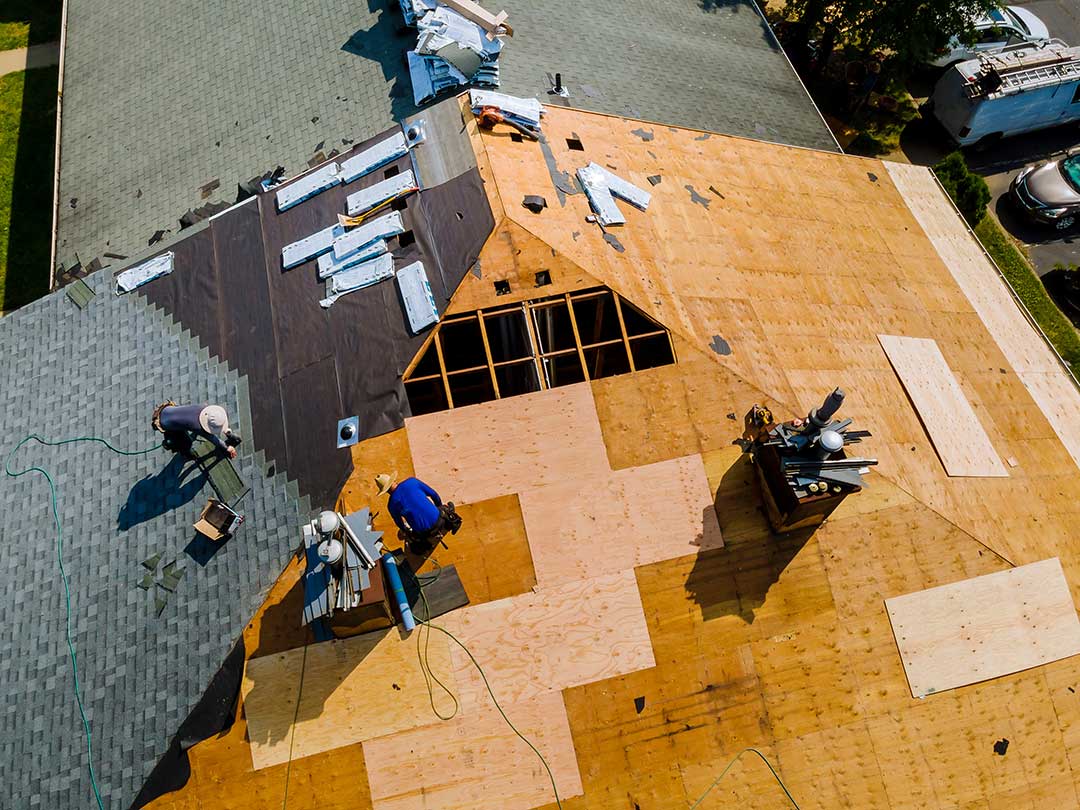
Roof replacement is required when a roof has more than one layer of shingles, shows evidence of underlying damage, or has reached the end of its serviceable life. This process involves stripping away all existing roofing material.
A replacement allows direct inspection and repair of the roof decking and other key components. For area households in Kingston, NY, dealing with older homes or roofs that leak, sag, or show substantial wear, a full replacement is usually the recommended path.
Key circumstances requiring roof replacement include:
- The roof has two or more layers of shingles (not allowed to re-roof)
- Widespread or deep leaks that may indicate underlying rot
- Noticeable sagging or signs of structural failure
- Severe storm, wind, or ice damage (common in Hudson Valley winters)
- Preparing a home for a renovation or upgrade to modern standards
—
What Are the Pros and Cons of Re-Roofing?
Re-roofing can seem appealing due to its lower cost and shorter project time, but there are notable limitations.
Advantages:
- Lower upfront cost compared to replacement
- Quicker to complete—often done in a day for average homes
Disadvantages:
- Does not address issues beneath existing shingles
- May void certain material warranties if the manufacturer requires a full tear-off
- Shorter lifespan than a new, single-layer roof
- Weight concerns: double layers add significant stress to the roof frame, which can be a concern in older homes found throughout Kingston
These trade-offs mean re-roofing is best seen as a short-term fix, most suitable for sound roofs nearing the end of their life and free from structural issues.
—
Why Does Roof Replacement Cost More—And Is It Worth It?
Roof replacement involves more labor and materials, but provides complete renewal of the roofing structure. This approach addresses hidden damage and allows proper installation of modern waterproofing membranes, underlayment, and flashing—critical for homes dealing with rain and occasional snow common in Kingston.
- Full replacement extends the lifespan of the roof, adding value and peace of mind
- It allows inspection and correction of issues like soft spots, damaged plywood, or insufficient ventilation
- It’s necessary for homeowners switching roofing material types (e.g., from asphalt to metal)
While the initial price is higher, replacement is often more cost-effective over time—especially if your home will remain in your family or be occupied for many years.
—
How Can Kingston Residents Decide Which Approach Is Appropriate?
For homes in the community, the decision between re-roofing and roof replacement depends on a mix of practical and regulatory factors:
- Check local building codes—Kingston, NY limits allow only two total layers of roofing material
- Assess the age and visible condition of the current roofing
- Look out for leaks, warped sections, mold, or signs of underlying wood rot
- Consider the likely lifespan of the solution—overlaying an old or failing roof may postpone, but not eliminate, problems
In neighborhoods filled with historic and mid-century homes, roofing assemblies may include older materials or structural challenges. Full replacement allows for upgrades to meet modern standards and helps protect against the wet and icy climate.
—
What Are Common Misconceptions About These Roofing Methods?
Some homeowners believe re-roofing is always a viable shortcut, but this isn’t the case. Common misconceptions include:
- Re-roofing will fix leaks: It will not correct existing leaks caused by underlying rot, damaged decking, or poor flashing.
- A second layer is just as good as a new roof: Double layers trap heat and may hide further deterioration, shortening roof life.
- Building codes don’t matter: Local regulations in Kingston strictly limit the number of roof layers allowed—ignoring these can lead to safety issues and problems during home sales or inspections.
—
What Should Homeowners Watch For in Kingston’s Climate?
Weather in the region features freeze-thaw cycles, heavy rains, snow, and strong winds. Overlays, especially double-layered shingles, may be more susceptible to wind lift and uneven wear after harsh winters. Moisture can also become trapped between layers, increasing the risk of rot and mold in wooden decking.
A full replacement, by contrast, offers a chance to install better water barriers, improve ventilation, and fully address winter ice damming or summer heat build-up—concerns relevant to many area households.
—
