
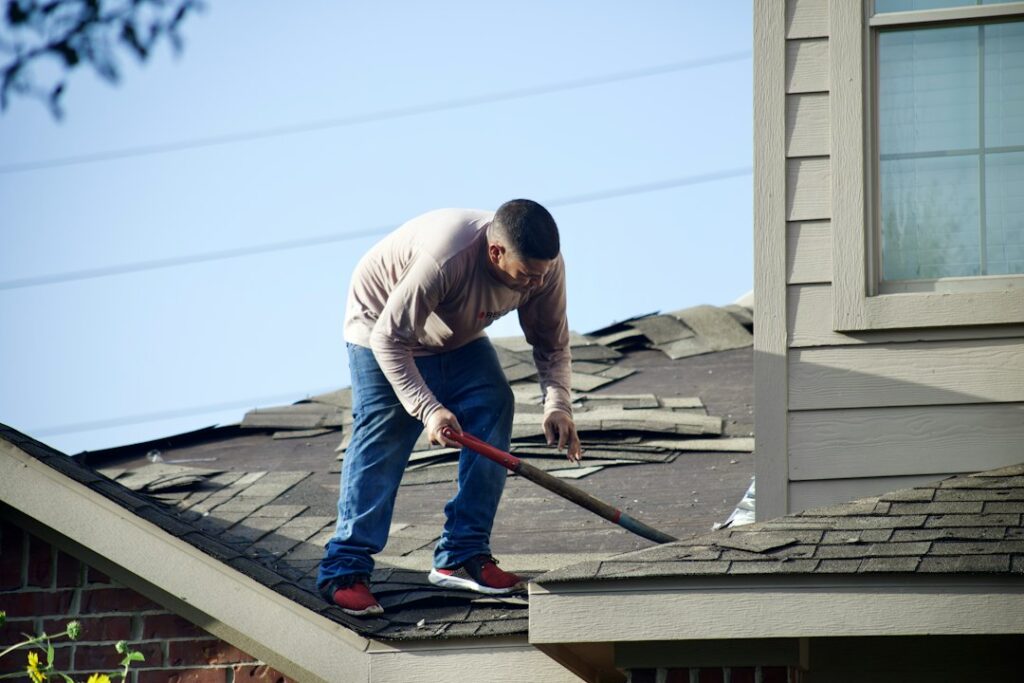
Roof maintenance follows the calendar. In Kingston, NY, roofs must handle snow, ice, freezing temperatures, spring rain, summer heat, falling leaves, and occasional wind. A seasonal inspection does not require climbing onto the roof; many useful checks can be completed from the ground, attic, or upper floors.
What should be checked in early spring?
Early spring is the right time to look for damage caused by winter weather. Snow weight, ice buildup, freeze-thaw cycles, and wind can affect shingles, flashing, gutters, and roof drainage.
Start with a careful ground-level inspection. Look for:
- Shingles that are missing, cracked, curled, lifted, or lying in the yard
- Dark patches or streaks that may indicate moisture below the roofing surface
- Loose or bent metal flashing around chimneys, vents, skylights, and roof edges
- Gutters that have pulled away from the house
- Downspouts that are disconnected, crushed, or draining too close to the foundation
- Sagging areas along the roofline
Check the attic on a dry day and look for damp insulation, water stains, mold-like discoloration, or daylight visible through the roof deck. A water stain does not always appear directly below the original leak because moisture can travel along rafters and other framing.
Spring is also a useful time to inspect attic ventilation. Blocked soffit vents, damaged ridge vents, or excessive insulation covering ventilation openings can contribute to moisture buildup. That moisture may lead to wood deterioration or frost-related problems during the following winter.
How can homeowners prepare the roof for summer?
Summer maintenance is mainly about drainage, ventilation, and damage that may become more noticeable in warm weather. Before periods of heavy rain, clear leaves, twigs, and sediment from gutters and downspouts.
Do not assume a gutter is working properly simply because water enters it. During rain, observe whether water flows freely through the downspout or spills over the front edge. Overflow near the roofline can wet fascia boards and siding, while overflow near the foundation can contribute to basement moisture.
Roof surfaces can become dangerously hot and slippery. Avoid walking on shingles, especially during warm weather when the material may be more vulnerable to scuffing or surface damage. A ground-level inspection using binoculars is safer for identifying obvious problems.
Summer is also a good time to check roof penetrations. Plumbing vents, exhaust vents, skylights, and other openings are common locations for leaks. Watch for:
- Deteriorated sealant
- Cracked rubber boots around vent pipes
- Bent or missing flashing
- Rusted fasteners
- Loose vent covers
- Stains on the ceiling below the opening
Air-conditioning equipment and satellite-related hardware, where present, should not be attached in a way that damages roofing materials or blocks drainage. Any equipment mounted near the roof should be checked for loose connections and penetrations.
What should be done before autumn leaves and winter weather?
Late summer and early fall are the most practical times to prepare for cold weather. The goal is to prevent blocked drainage, identify small defects, and reduce conditions that support ice dams.
Clean gutters and downspouts before leaves become heavy. If trees overhang the roof, additional cleaning may be needed after major wind or rain events. A gutter guard may reduce debris, but it does not eliminate the need for inspection and cleaning.
Check that downspouts discharge several feet away from the foundation when possible. Extensions should remain connected and should not empty onto walkways where water can freeze.
Inspect the roof edges and attic for signs that ventilation is inadequate. Good ventilation helps control heat and moisture, but it does not guarantee that ice dams will never occur. Ice dams are influenced by snow cover, outdoor temperature, attic insulation, air leakage, roof shape, and ventilation design.
Before winter, also check nearby tree limbs. Dead or weak branches can fall during heavy snow, ice, or wind. Branches rubbing against roofing materials may gradually wear away protective surfaces, while fallen leaves can retain moisture against the roof.
How should a roof be inspected during winter?
Winter roof maintenance focuses on observation and safe response rather than climbing. Snow and ice make roofs especially hazardous, and walking on an icy surface can cause serious injury and damage to shingles.
From inside the home, watch for:
- New ceiling stains
- Damp attic insulation
- Dripping around vents or chimneys
- Frost on the underside of the roof deck
- Unusual drafts near attic hatches
- Doors or windows that become difficult to operate because of moisture-related swelling
Large ice buildup along the eaves can signal an ice dam. Removing it with a shovel, hammer, or sharp tool can damage shingles and create additional leaks. Rock salt and other de-icing products may also harm roofing materials, plants, gutters, and exterior surfaces.
If snow accumulation appears unusually heavy or the roofline begins to sag, stay clear of the area below and treat the condition as a safety concern. Snow removal from a roof is not a routine do-it-yourself task, particularly on steep, icy, or multi-level roofs.

How often should gutters and downspouts be cleaned?
Many homes need gutter cleaning at least twice a year: once in late spring and again in autumn. Properties beneath mature trees may require more frequent checks. Heavy storms can also move roof debris into gutters at any time.
A simple drainage test can reveal problems. After cleaning, run water through the gutter with a hose while observing the joints, end caps, and downspout connection. Water should move toward the outlet without pooling or spilling over the sides.
Gutters should be securely fastened but should still maintain a consistent slope toward the downspouts. Sagging sections can hold water and debris, increasing the chance of overflow and ice formation.
Which roof problems require prompt attention?
Some conditions can wait for planned maintenance, but active leaks and structural changes should not be ignored. Prompt attention is appropriate when there is:
- Water entering living areas
- A visibly sagging roof deck or roofline
- Large sections of missing or displaced roofing
- Exposed underlayment or wood
- A damaged chimney or vent flashing
- A fallen branch resting on the roof
- Electrical wiring or fixtures affected by water
- Heavy ice or snow creating a risk to people below
Place containers under interior drips if needed, move furniture away from the affected area, and document the location and timing of the problem. Avoid disturbing wet electrical fixtures or climbing onto the roof during severe weather.
Can homeowners perform all seasonal roof maintenance themselves?
Many low-risk tasks can be handled from the ground or indoors, including visual inspections, gutter observations, attic checks, and trimming nearby vegetation. Roof access becomes hazardous when surfaces are wet, icy, steep, damaged, or several stories above ground level.
A qualified roofing or building professional is appropriate when the issue involves structural damage, active leakage, electrical hazards, chimney work, steep-slope access, or snow and ice removal. The need for specialized help is based on safety and the type of defect, not simply on the season.
Keeping a dated record of inspections, photographs, leaks, gutter cleaning, and repairs can make seasonal changes easier to track. Over time, this record may reveal recurring trouble spots, such as a particular valley, vent, gutter section, or attic area.
A practical year-round schedule
A simple maintenance rhythm works well:
- Spring: Check for winter damage, attic moisture, loose flashing, and blocked drainage.
- Summer: Inspect roof penetrations, observe gutters during rain, and review ventilation.
- Early fall: Clean gutters, check downspouts, inspect nearby branches, and address minor defects.
- Winter: Avoid roof access, monitor for leaks and unsafe snow or ice buildup, and inspect the attic when conditions allow.
Regular observation cannot prevent every roofing problem, but it can help identify small defects before they become interior water damage, structural deterioration, or winter safety hazards.
