
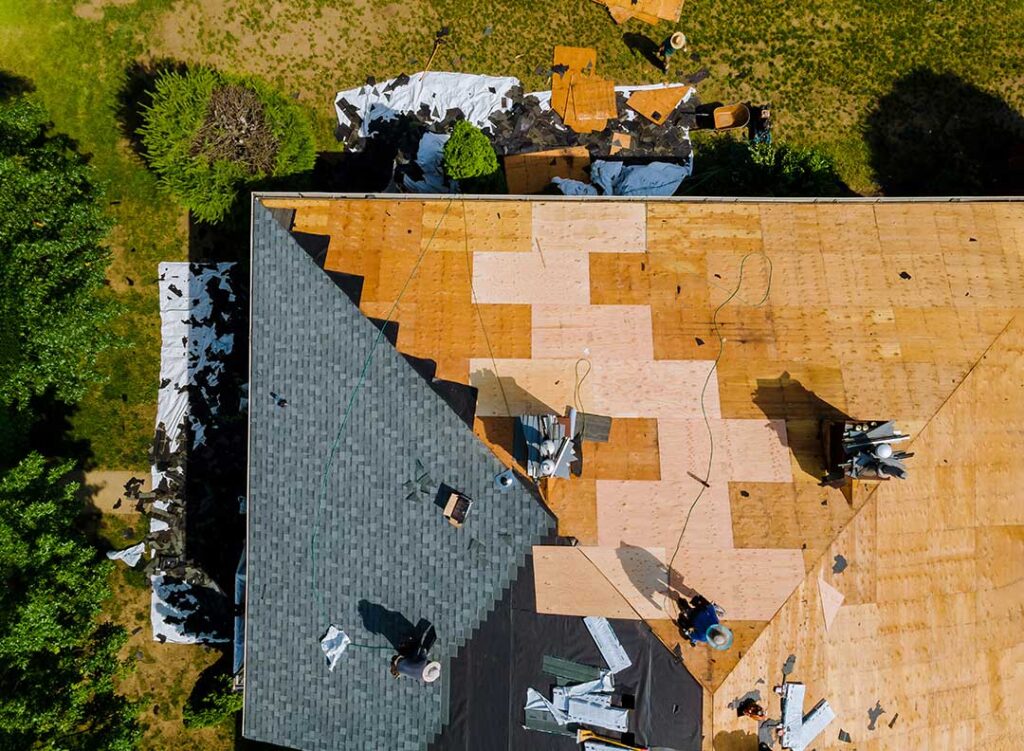
A typical residential roof lasts about 20 to 30 years, but the actual lifespan depends on the roofing material, installation quality, ventilation, maintenance, weather exposure, and the condition of the underlying structure. In Kingston, NY, seasonal temperature changes, snow, ice, wind, rain, and summer sun can all affect how quickly a roof ages.
A roof’s expected lifespan is best treated as a range rather than a promise. Some roofs need major repairs well before their expected service life, while others continue performing safely beyond it with regular inspection and timely maintenance.
How long do common roofing materials last?
The material covering a roof is one of the strongest indicators of how long it may remain serviceable. Typical ranges include:
- Three-tab asphalt shingles: About 15 to 20 years under ordinary conditions.
- Architectural asphalt shingles: Commonly 20 to 30 years, depending on exposure and installation.
- Wood shingles or shakes: Approximately 20 to 30 years, with maintenance and ventilation playing major roles.
- Metal roofing: Often 40 to 70 years, depending on the metal, coatings, fasteners, and installation.
- Clay or concrete tile: Frequently 50 years or more, although the supporting structure and underlayment may need attention sooner.
- Slate: Can last 75 years or longer when properly installed and maintained.
These are general estimates, not guarantees. A roof installed over inadequate decking, with poor attic ventilation, or with improperly placed flashing may fail much sooner than the material’s advertised lifespan.
What affects roof life in Kingston?
The local climate can shorten or extend a roof’s useful life. Kingston experiences four distinct seasons, and the roof must handle changing conditions throughout the year.
Winter can bring snow accumulation, ice formation, freeze-thaw cycles, and added weight. When water enters small cracks or gaps and then freezes, it expands. Repeated freezing and thawing can gradually damage shingles, flashing, sealants, masonry, and roof edges.
Spring rain can reveal problems that developed during winter. Summer sunlight and heat can dry out roofing materials and cause gradual loss of flexibility. Strong winds and falling branches may create sudden damage at any time of year.
Older homes may also have roof designs, attic layouts, or structural details that differ from newer construction. Complex rooflines, additions, dormers, low-slope sections, and enclosed attic spaces can create areas where water or heat becomes trapped.
Does roof maintenance really extend its lifespan?
Yes. Maintenance cannot stop normal aging, but it can prevent small defects from becoming widespread damage. A missing shingle, loose flashing section, or blocked drainage path may be relatively limited when discovered early. Left unresolved, the same issue can contribute to wet insulation, rotted decking, interior staining, or mold growth.
Useful maintenance includes:
- Keeping gutters and downspouts clear so water moves away from the roof and foundation.
- Removing leaves, branches, and other debris that hold moisture against roofing materials.
- Checking roof penetrations around vents, chimneys, skylights, and plumbing stacks.
- Looking for damaged, lifted, cracked, or missing shingles after major wind or winter weather.
- Trimming branches that rub against the roof or could fall during a storm.
- Checking attic areas for damp insulation, daylight through the roof deck, unusual odors, or water marks.
Roof surfaces should not be walked on casually, especially when wet, icy, steep, or fragile. Falls are a serious hazard, and walking can damage aging shingles or break slate and tile.
How can someone tell whether a roof is nearing the end of its life?
Age is useful, but visible condition often provides a better answer. A roof may deserve closer evaluation when several warning signs appear together.
Common indicators include:
- Shingles that are curling, cracking, blistering, or losing large amounts of surface granules.
- Bald areas where the protective granule layer has worn away.
- Repeated leaks or water stains on ceilings and upper walls.
- Sagging areas in the roof plane or along the ridge.
- Rusted, separated, or damaged flashing.
- Moss or algae growth that keeps the roof surface damp.
- Daylight visible through the roof decking from inside the attic.
- Granules collecting in gutters or at the base of downspouts.
- A roof that is approaching or exceeding its material’s typical age range.
Moss does not automatically mean a roof must be replaced. It can, however, retain moisture and lift shingle edges over time. Heavy growth should be addressed carefully because aggressive scraping or pressure washing can remove protective granules and cause additional damage.
Does a leak always mean the entire roof needs replacement?
No. A single leak does not automatically mean the entire roof has reached the end of its life. Water may enter around a damaged flashing point, roof penetration, valley, or isolated section of shingles. If the surrounding roofing is in good condition, a limited repair may be reasonable.
However, the visible drip inside a home may not be directly below the point where water entered. Roof water can travel along decking, rafters, insulation, or framing before appearing indoors. A patch placed only over the interior stain may not address the source.
Replacement becomes more likely when leaks are widespread, the roof covering is extensively deteriorated, the decking is damaged, or repairs have become frequent and short-lived. The decision should consider the roof’s age, overall condition, remaining service life, and the cost and scope of recurring repairs.
How do snow and ice affect a roof?
Snow itself is not usually the only concern. The greater risks often come from water movement, ice formation, and repeated thawing and refreezing.
Ice dams can develop when heat escapes into a poorly ventilated or inadequately insulated attic, warming part of the roof. Meltwater can then refreeze near colder roof edges and interfere with drainage. The resulting water may move beneath shingles and into the attic or walls.
Good attic insulation and balanced ventilation help keep roof temperatures more consistent. Clearing gutters, improving air movement, and addressing areas where warm indoor air leaks into the attic can reduce the conditions that contribute to ice dams. Snow removal from a roof can be dangerous and may damage shingles if handled improperly.
When should a roof be inspected?
A roof should be checked after major wind, heavy snow, falling branches, or other severe weather. It is also sensible to inspect it when buying or selling a home, after noticing interior water stains, or when the roof is entering the latter part of its expected lifespan.
For many households, a visual review from the ground and an attic check once or twice a year can reveal obvious problems. A closer inspection may be warranted when the roof is steep, difficult to access, visibly damaged, or associated with active leaks. Hazardous conditions, structural concerns, and work that requires climbing should be handled by someone properly equipped and trained.
What is the most realistic expectation for a typical roof?
For an asphalt-shingle roof, planning around 20 to 30 years is reasonable, but the roof’s condition matters more than the calendar alone. A well-installed, well-ventilated roof with limited weather exposure may perform near the upper end of that range. A roof affected by poor drainage, repeated storm damage, trapped attic moisture, or inadequate installation may deteriorate much sooner.
For Kingston households, the most useful approach is to track the roof’s installation date, inspect it after severe weather, keep drainage paths clear, and pay attention to early signs of aging. Knowing whether a roof is in good, declining, or failing condition makes future repair and maintenance decisions more predictable.
