
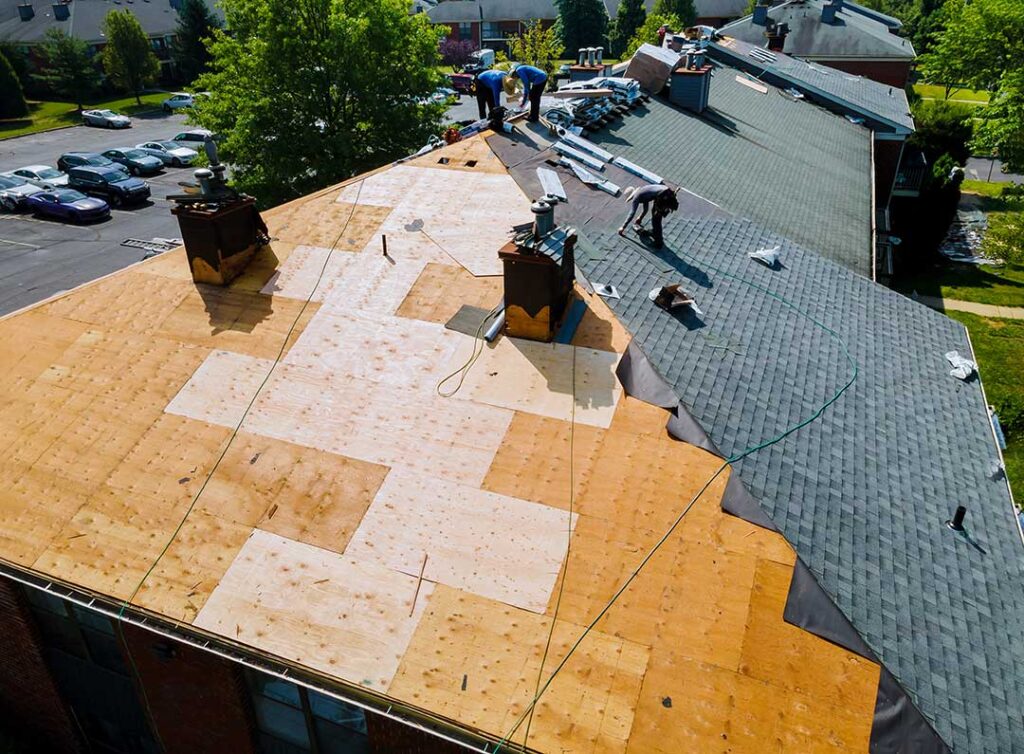
Roofing technology is changing in practical ways. Newer systems focus on better moisture control, improved energy performance, longer service life, safer inspections, and materials that create less waste. For homeowners in Kingston, NY, the most useful innovation is not always the newest product. It is the roofing system that matches the building, seasonal weather, roof design, and maintenance needs.
What counts as a roofing innovation?
A roofing innovation can be a new material, but it can also be an improved installation method or monitoring tool. Modern advances include:
- Solar-reflective roofing surfaces
- Stronger synthetic underlayments and flashing materials
- Continuous insulation and improved ventilation designs
- Recycled and recyclable roofing products
- Drone, infrared, and moisture-sensing inspections
- Roofing systems designed to support solar panels
- Vegetated and stormwater-management roofs
These developments matter because a roof does more than keep rain out. It helps control heat, air movement, ice formation, moisture, structural loads, and indoor comfort.
Are cool roofs useful in a cold-weather community?
Cool roofs reflect more sunlight and release absorbed heat more efficiently than darker roofing surfaces. They can reduce roof temperatures and cooling demand, especially during hot, sunny weather. The U.S. Department of Energy identifies solar reflectance and thermal emittance as the two main properties that determine how hot a roof becomes. ([energy.gov](https://www.energy.gov/cmei/femp/purchasing-energy-efficient-cool-roof-products?utm_source=openai))
That does not mean a highly reflective roof is automatically the best choice for every home. Kingston has a mixed heating and cooling season, so winter performance deserves attention. A roof that gains less solar heat may slightly reduce useful wintertime heat gain, while roof insulation and air sealing often have a greater effect on overall comfort and energy use.
For a local home, the more useful questions are:
- Is the attic properly insulated?
- Is the roof surface exposed to strong summer sun?
- Does the building have significant air-conditioning demand?
- Will the selected material remain reflective after years of dirt, algae, weathering, and maintenance?
- Does the color and material fit local design requirements or neighborhood expectations?
Reflective shingles, coated metal, membrane roofing, and lighter-colored materials may all provide some cool-roof benefits. Performance depends on the complete assembly rather than color alone.
How are modern roofs handling ice, snow, and moisture?
Many roofing improvements are aimed at preventing water from entering vulnerable areas. Valleys, roof-to-wall intersections, chimneys, skylights, eaves, and penetrations generally require more careful detailing than open areas of the roof.
Self-adhering membranes are now commonly used in areas where wind-driven rain or ice dams could create a backup risk. Improved flashing materials and preformed components can also reduce dependence on complicated field fabrication, although installation quality remains essential.
Better attic design is another major development. A roof can have excellent shingles and still develop problems if warm indoor air leaks into a cold attic. Air leakage can contribute to condensation, frost, and uneven snow melting. Ventilation helps move moisture and heat, but ventilation is not a substitute for air sealing and adequate insulation.
In older homes, especially those with multiple roof additions or enclosed attic spaces, a moisture investigation may reveal that the real problem is not the visible roofing material. It may be an unsealed plumbing vent, inadequate insulation, blocked airflow, or a poorly connected roof section.
Are synthetic roofing materials better than traditional materials?
Synthetic underlayments and polymer-based roofing components have become more common because they can be lighter, more tear-resistant, and easier to handle than older felt products. Some synthetic shingles and composite roofing materials are designed to imitate slate, wood, or tile while reducing weight on the structure.
Their performance still depends on several factors:
- Resistance to ultraviolet exposure
- Expansion and contraction during temperature changes
- Compatibility with flashing and sealants
- Performance during wind and freeze-thaw cycles
- Manufacturer testing and installation requirements
- Availability of replacement materials years later
A product with a long stated life is not necessarily a better choice if its repair materials are difficult to obtain or if the roof design makes maintenance complicated. For older housing, compatibility with existing trim, dormers, masonry, and structural framing can be more important than appearance.
How is technology changing roof inspections?
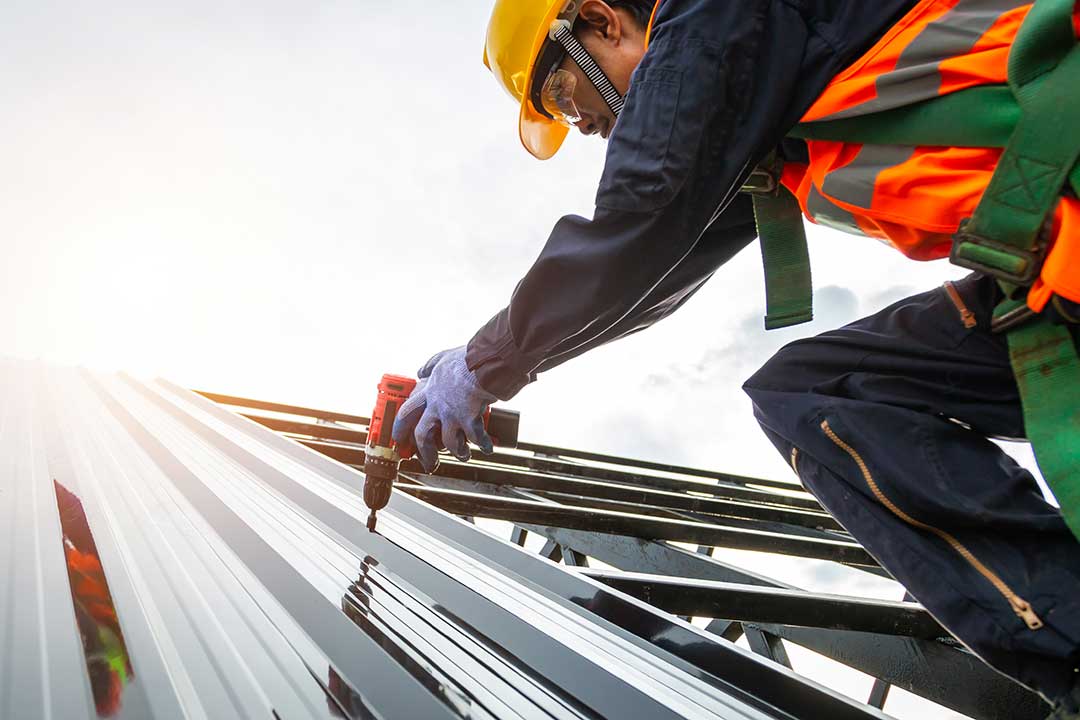
Roof inspections increasingly use tools that help identify problems before they become visible indoors. Infrared cameras can sometimes reveal temperature differences associated with wet insulation or missing insulation. Moisture meters can help test suspicious areas, while drones may provide safer views of steep, high, or difficult-to-access roof sections.
These tools are useful, but they do not replace a careful visual inspection. A thermal image may show an unusual temperature pattern without proving that water is present. Drone photography may miss conditions beneath flashing, under vegetation, or at the roof edge.
The most dependable inspection combines:
- Interior attic observations
- Exterior surface and flashing review
- Moisture readings where appropriate
- Information about leaks, staining, drafts, or ice buildup
- Documentation of roof age and previous repairs
Technology is most valuable when it supports sound judgment rather than presenting a single scan as a complete diagnosis.
What roofing innovations support solar panels?
Solar-ready roofing is less about a special shingle and more about planning. A roof should be evaluated for remaining service life before panels are installed. Replacing roofing beneath solar equipment later can add unnecessary labor and disruption.
Newer mounting systems may reduce penetrations or distribute loads more carefully, but attachment points still require proper waterproofing. Roof orientation, shading, snow accumulation, wind exposure, and electrical access also influence the design.
Solar panels do not correct poor attic ventilation, inadequate insulation, or active leaks. Those conditions should be addressed separately. A sound roof assembly provides a better foundation for any future energy upgrade.
Can green roofs work on residential buildings?
Green roofs use vegetation and engineered growing media to cover part or all of a roof. They can reduce stormwater runoff, provide habitat, and moderate surface temperatures. The Environmental Protection Agency describes green roofs as one strategy for reducing heat-island effects and managing environmental impacts. ([epa.gov](https://www.epa.gov/heatislands/using-green-roofs-reduce-heat-islands?utm_source=openai))
They are not a simple replacement for ordinary residential roofing. Green roofs require structural evaluation, waterproofing, root protection, drainage, maintenance, and careful plant selection. Snow, saturated soil, and retained water can create substantial loads.
For many area households, a small vegetated section, rooftop garden, or stormwater feature may be more practical than a fully planted roof. Flat or low-slope buildings generally offer better opportunities than steep residential roofs.
Which innovations are most practical for an existing home?
For most homeowners, the most valuable improvements are often the least dramatic:
- Better attic air sealing and insulation
- Durable underlayment at vulnerable roof edges
- Improved flashing around penetrations and wall intersections
- Balanced ventilation that does not allow weather intrusion
- Roofing materials selected for the building’s actual exposure
- Digital documentation of repairs and inspection findings
- Recycled-content or recyclable materials where performance is comparable
A new technology should be judged by its full life cycle. Consider installation demands, repairability, expected service life, winter behavior, disposal options, and compatibility with the existing structure.
The strongest roofing innovation is usually a coordinated system: sound drainage, reliable flashing, controlled air movement, adequate insulation, and a surface material suited to local weather. New products can improve that system, but they cannot compensate for poor design or neglected maintenance.
