

How Do Animals Interact with Residential Roofs?
Animals in Kingston, NY frequently interact with residential roofing, often unnoticed by homeowners. Birds, squirrels, raccoons, and even bats can find shelter or resources on and around rooftops. These encounters are not just harmless visits; in many cases, these animals use roofs as nesting grounds, travel routes, or places to search for food. Over time, such activity can affect not just individual roofs but the entire neighborhood, especially in older areas with mature trees and interconnected rooftops.
What Types of Damage Can Animals Cause?
Animal activity can lead to both visible and hidden roof damage:
- Squirrels and chipmunks gnaw through roofing materials to create entry points for nests, damaging shingles, wood, and sometimes wiring in attics.
- Raccoons are strong enough to rip up shingles and fascia boards to access attics, especially in search of warmth or safe denning sites.
- Birds may peck or nest under loose shingles, leaving droppings that accelerate the wear of roofing materials and clog gutters.
- Mice and bats can squeeze into tiny gaps and contribute to insulation damage, along with depositing waste that poses health concerns.
Even if damage remains small at first, repeated animal activity may enlarge gaps, cause leaks, or degrade protective roof layers.
Are Certain Seasons Riskier for Animal-Related Roof Issues?
Spring and fall bring spikes in animal roof activity locally. In early spring, birds and squirrels look for nesting sites. In autumn, raccoons and other mammals seek warmth as temperatures drop. These seasonal patterns are shaped by Kingston’s mature tree canopies, which often overhang roofs and provide easy access for small animals. Sudden cold snaps or storms can also drive animals to seek immediate shelter inside attics.
During harsh winters, animals might exploit already weakened areas to get inside, while summer heat can encourage bats and birds to move under tiles or flashing for shade.
What Roof Features Attract Animals the Most?
Local homes with mature landscaping or older construction can present several attractions for animals:
- Overhanging tree branches, especially those within jumping distance of roofs
- Damaged vents, soffits, or fascia boards with small gaps
- Unscreened attic vents or chimneys
- Loose or missing shingles and flashing
- Gutters clogged with organic debris, which attract insects and nesting birds
Animals are opportunistic. Once they find a weak spot, word seems to get out—so homes with prior animal issues may see repeat visits until repairs and deterrents are fully in place.
What Signs Suggest Animal Activity or Damage?
Homeowners might notice scraping or scratching sounds from the attic, particularly at dawn and dusk. Other clues include:
- Small piles of nesting material protruding from openings
- Shingle pieces or other roofing debris scattered on the ground
- Unexplained leaks after rain, especially around roof edges
- Animal droppings along the roofline, in gutters, or in attic spaces
- Damaged soffit panels, lifted shingles, or odd staining on ceilings
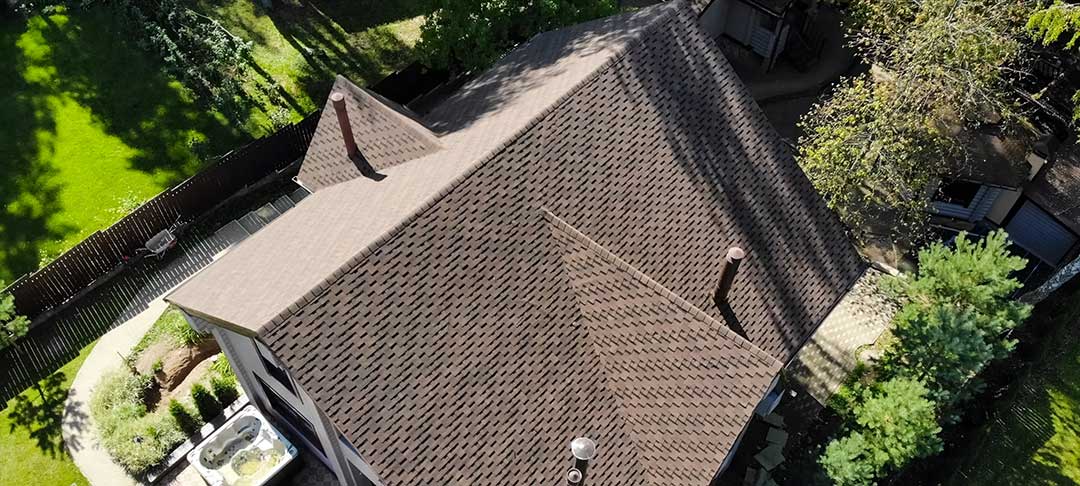
Ignoring early symptoms can allow damage to grow much worse before being detected during routine home maintenance.
What Local Roof Types Are at Higher Risk?
In Kingston, homes with older asphalt shingle roofs, wood shake roofs, and those under dense tree cover are at greater risk. Tile roofs aren’t immune but are typically harder for animals to break through. As many houses in the area were built decades ago, current roofing systems may have small vulnerabilities that do not meet the seal-tight standards of new builds.
Flat roofs or those with complicated intersections, such as dormers, valleys, and skylights, offer more spots for animals to find or create entry points. Historic homes, while charming, often have aging woodwork or ventilation systems that draw the interest of persistent wildlife.
Are There Common Misconceptions About Animals and Roof Damage?
Many homeowners underestimate the impact of local wildlife on roof lifespan. A common mistake is assuming that only old or visibly neglected roofs are at risk. In reality, even a “new” roof becomes vulnerable if gutters are unclogged, tree limbs are unchecked, or attic vents are left unscreened.
Furthermore, some believe that animal presence will be obvious or noisy, but smaller pests can live in attics for ages with only faint sounds or minor droppings as evidence. Birds and bats, for instance, can squeeze into spaces barely an inch wide, making their activity easy to overlook until repairs are needed.
What Preventive Steps Can Residents Take?
There are practical, non-costly measures residents can take to minimize wildlife-related roof problems:
- Trim back tree branches at least several feet from the roofline
- Regularly inspect and maintain attic vents, soffits, and chimneys (using humane screens)
- Keep gutters free of leaves and debris to avoid attracting insects and birds
- Secure loose shingles or flashing promptly to cut off common entry points
- Listen for changes in attic sounds, especially after storms or cold spells
For persistent issues, local animal control may offer advice about humane deterrence and safe exclusions. Handling animal infestations that involve protected species or hazardous waste may require more specialized expertise to comply with safety guidelines.
How Does Kingston’s Environment Influence Animal-Related Roof Concerns?
The combination of old-growth trees, established neighborhoods, and seasonal temperature swings creates ideal conditions for animal encounters on roofs. Local weather—including heavy snow in winter and strong rains in spring—often exacerbates small problems, making homes more appealing to wildlife looking for safe shelter.
Residents who maintain awareness of both roof age and the surrounding landscape can be more proactive about detecting animal-related vulnerabilities early, reducing the frequency and severity of future repairs.
