
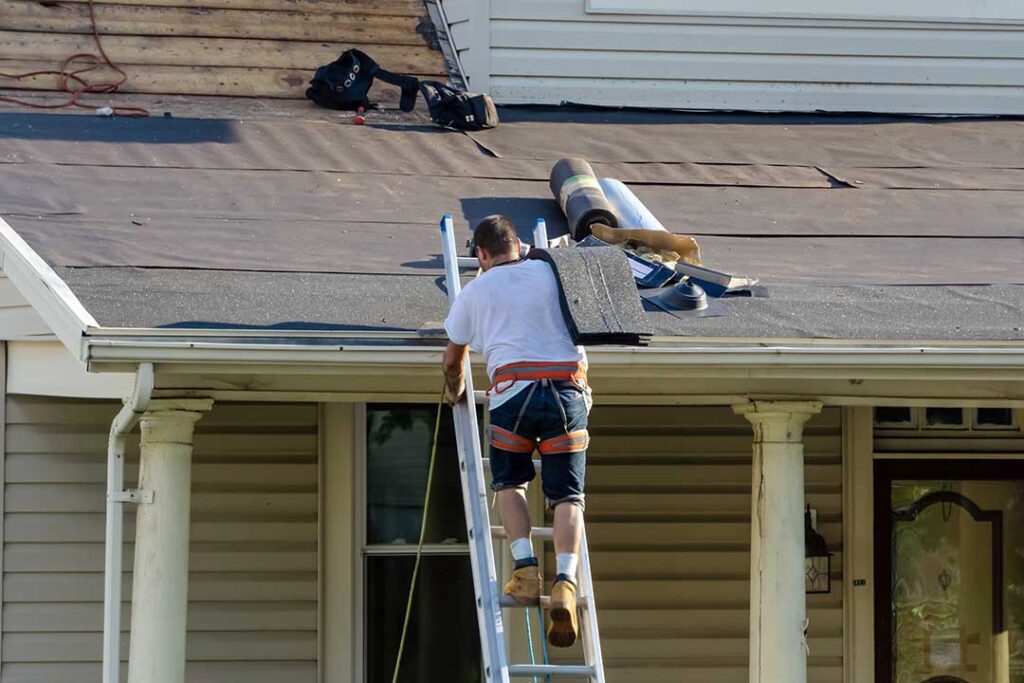
Roof underlayment is the protective layer installed between a roof deck and the visible roofing material. Although it cannot be seen from the street, it helps manage moisture, wind-driven rain, minor leaks, and installation risks beneath shingles or other roof coverings.
For homes in Kingston, NY, underlayment deserves attention because roofs must handle rain, snow, ice, freeze-thaw cycles, and occasional wind-driven moisture. Understanding its purpose makes it easier to evaluate roof condition, interpret inspection reports, and recognize why a roof can have problems even when the shingles appear intact.
What does roof underlayment do?
Underlayment provides a secondary layer of protection below the outer roof covering. Shingles are designed to shed most water, but no shingle system is completely immune to wind, ice, damaged areas, or installation imperfections.
The underlayment helps:
- Protect the roof deck from moisture that gets beneath shingles
- Reduce the chance of water reaching the attic or upper floors
- Cover small gaps around fasteners and seams
- Provide temporary protection during roof installation
- Create a more consistent surface beneath the final roofing material
It is not a substitute for properly installed shingles, flashing, ventilation, or drainage. A roof with high-quality underlayment can still leak if valleys, chimneys, vents, skylights, or wall intersections are poorly detailed.
Where is underlayment installed?
Underlayment is placed directly over the roof deck and below the shingles or other roof covering. The roof deck is commonly made from plywood or oriented strand board, although older buildings may have board decking with visible gaps between boards.
Installation normally begins along the lower roof edge and continues upward. The layers are overlapped so water moving down the roof is directed over, rather than behind, the material below. Fasteners and seam placement also matter because poorly secured or incorrectly overlapped underlayment can wrinkle, tear, or allow water to travel underneath.
The exact installation method depends on the roof design, roof covering, slope, weather exposure, and applicable building requirements. Valleys and penetrations often receive additional protection because they collect or redirect water.
What are the main types of roof underlayment?
Three broad categories are common in residential roofing.
Asphalt-saturated felt
Traditional felt underlayment, sometimes called roofing felt, has been used for decades. It is generally made from a fiber or reinforced base saturated with asphalt.
Its advantages include familiarity, broad availability, and relatively low material cost. However, felt can tear more easily during installation, absorb some moisture, wrinkle when exposed to weather, and become less reliable if left uncovered for too long.
Older homes in the area may have more than one layer of felt beneath replacement roofing, especially if previous work was completed without fully removing earlier materials. Multiple layers do not automatically mean better protection. They may conceal damaged decking or create uneven surfaces.
Synthetic underlayment
Synthetic underlayment is made from manufactured polymer materials. It is typically lighter than felt, resists tearing, and may remain more stable during installation and short periods of exposure.
Synthetic products vary considerably in texture, slip resistance, attachment method, and exposure limits. A label describing a material as synthetic does not, by itself, indicate that it is waterproof or suitable for every roof condition.
Self-adhering membrane
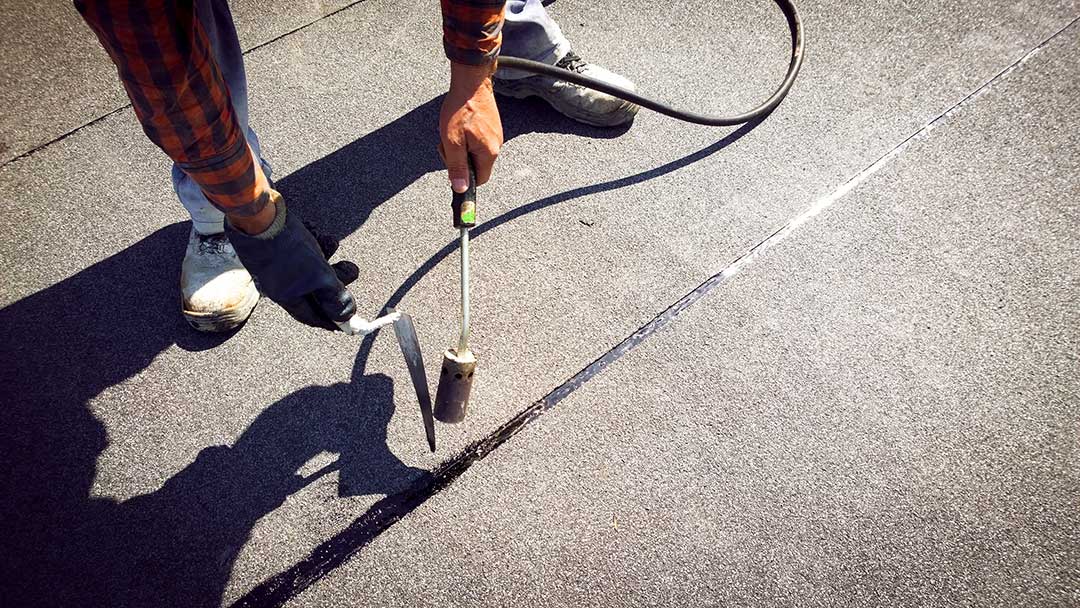
Self-adhering membranes use an adhesive backing to bond to the roof deck. Rubberized asphalt products are commonly used in areas that need extra resistance to water movement, such as eaves, valleys, roof edges, and around certain penetrations.
These membranes are often associated with ice-dam protection. Their performance depends heavily on a clean, dry surface and correct installation. If applied over dirt, moisture, loose debris, or deteriorated decking, the bond may be unreliable.
What is ice-and-water protection?
Ice-and-water protection is a type of self-adhering membrane intended to resist water that can move beneath the primary roof covering. It is especially relevant along lower roof edges, valleys, and other vulnerable areas.
Snow and ice can create conditions in which meltwater does not drain normally. Water may collect near the eaves and work backward beneath shingles. A properly installed membrane can reduce the chance of that water reaching the roof deck, but it cannot correct inadequate attic ventilation, blocked drainage, damaged flashing, or excessive heat loss through the ceiling.
Not every roof requires identical coverage. Roof slope, design, exposure, local requirements, and the type of roof covering all influence where additional protection is appropriate.
Does underlayment make a roof waterproof?
Usually, underlayment should be described as water-shedding or water-resistant protection rather than a complete waterproof roof. Some membranes are designed to resist water penetration more strongly than others, but the entire roof system still depends on properly integrated components.
Water can bypass underlayment through:
- Unsealed or damaged flashing
- Improperly installed valleys
- Exposed or misplaced fasteners
- Gaps around plumbing vents
- Deteriorated chimney or wall flashing
- Wind-damaged or missing shingles
- Openings in the roof deck
A leak appearing inside the home may begin at a location several feet away from the visible stain. Water can travel along decking, rafters, insulation, or framing before becoming noticeable.
Why does underlayment matter during roof replacement?
Roof replacement provides the clearest opportunity to inspect the roof deck and install underlayment correctly. If old roofing is removed, damaged decking can be identified rather than covered.
A careful inspection should look for:
- Soft, spongy, or cracked decking
- Water staining or darkened wood
- Rusted or protruding fasteners
- Rot near eaves, valleys, and penetrations
- Areas where earlier repairs changed the roof surface
- Improperly placed layers from past work
Installing new underlayment over compromised decking can hide a structural or moisture problem. The underlayment needs a sound, reasonably clean surface to perform as intended.
What should homeowners check after a storm?
After heavy rain, snow, ice, or strong wind, inspect accessible areas without climbing onto the roof. Look in the attic or upper-level ceiling areas for new staining, damp insulation, dripping, musty odors, or daylight visible through the roof deck.
From the ground, check for missing shingles, lifted edges, exposed underlayment, fallen roof materials, or unusually large areas of debris. Do not walk on a steep, wet, icy, or damaged roof. Roof surfaces can be slippery even when damage is not obvious.
A small ceiling stain does not always mean the roof needs immediate replacement, but active water entry, sagging, electrical exposure, or widespread damage warrants prompt attention for safety and to limit interior damage.
Can underlayment be repaired without replacing the roof?
Sometimes, but the answer depends on accessibility and the source of the problem. Underlayment is normally covered by shingles, so a repair may require removing and replacing the roofing material above it.
If the underlayment is exposed because of wind damage or incomplete installation, temporary protection may be needed until the roof system can be properly restored. If water has reached the roof deck, insulation, framing, or interior finishes, those materials may also require evaluation.
The most useful question is not simply whether the underlayment is present. It is whether the complete roof system—decking, underlayment, shingles, flashing, drainage, and ventilation—is functioning together.
How long does roof underlayment last?
Its service life depends on material quality, exposure, installation, roof movement, moisture conditions, and whether the outer roof covering remains intact. Underlayment generally lasts longer when it stays protected beneath sound roofing.
If shingles are nearing the end of their service life, the underlayment may also be aged, brittle, wrinkled, or compromised. For older homes, roof history matters because repairs may have added layers or left sections with different materials.
Underlayment is easy to overlook because it is hidden. Yet in a climate with seasonal moisture, snow, and repeated temperature changes, that concealed layer can be a significant part of how well a roof manages water.
