
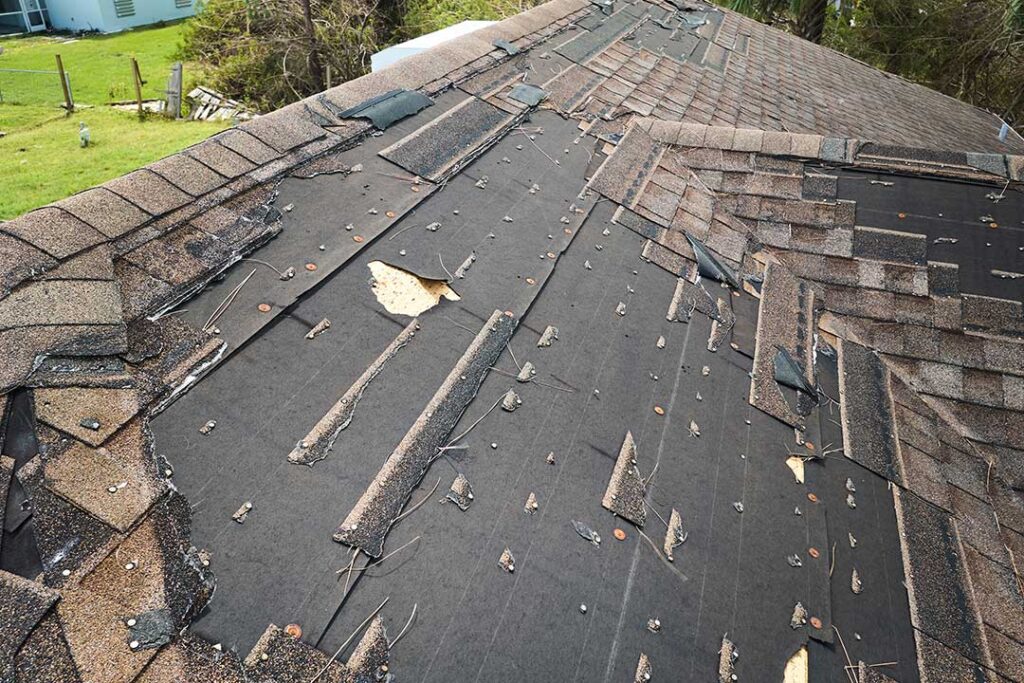
Why Is Roof Debris a Persistent Concern in Kingston, NY?
Leaf accumulation, branches, and windblown debris are recurring issues for area homeowners, especially in the fall and after storms. Kingston’s combination of mature trees, seasonal storms, and freeze-thaw cycles means debris doesn't just look untidy — it can also block drainage, trap moisture, and contribute to roof damage and leaks. Regularly clearing your roof is a practical step toward home maintenance in this climate.
What Types of Debris Commonly Affect Roofs in the Area?
Residents most frequently encounter:
- Leaves and twigs, especially from maples, oaks, and other large shade trees typical of local neighborhoods
- Seed pods, pine needles, or acorns that build up in valleys and along roof edges
- Moss or algae, favored by the region’s damp, shaded areas
- Shingle granules and dust, especially after severe weather
Understanding what’s on the roof can help you choose the safest and most effective cleaning approach for your specific case.
When and How Often Should You Remove Roof Debris?
In Kingston, twice-yearly inspections — typically after spring pollen drop and late autumn leaf-fall — are recommended for most homes. However, those living directly beneath large deciduous trees, or in wooded neighborhoods, may need to check and clear debris every few weeks during peak periods. Strong winds or ice storms can also bring sudden accumulations; after any major weather event, a quick visual scan from the ground is wise.
What’s the Safest Way to Get Started with Roof Cleaning?
Start by thoroughly surveying the situation. A ground-level inspection with binoculars can reveal how much debris has built up and whether gutters or downspouts are affected. Resist the urge to immediately get on the roof. Consider:
- If the roof appears unstable, or there are visible signs of damage or recent heavy snow/ice, stay off and opt for safer, ground-based inspection tools.
- For moderate debris and sound, walkable roofs, wait for a dry, mild day when roof surfaces are least slippery.
- If using a ladder, place it on solid, level ground and have someone spot you.
- Always avoid standing on steep or wet roofing, and never attempt cleaning during inclement weather.
What Tools and Equipment Are Useful for Debris Removal?
Area residents tend to use:
- A sturdy, extension ladder tall enough to reach the eaves without needing to step onto the highest rungs
- Soft-bristle brooms, leaf blowers, or roof rakes for lightweight material
- Work gloves and nonslip shoes
- Safety goggles, especially if using any powered blower
Never use pressure washers, abrasive tools, or metal shovels, as these can damage shingles or dislodge granules — especially with the types of asphalt roofs common in the city.
Which Methods Help Prevent Damage During Cleaning?
Start at the highest point and work downward, gently pushing debris toward the edge. Avoid scraping or gouging shingles. For loose leaves and small twigs, a soft broom or roof-specific leaf blower is often enough. Always blow from the peak toward the gutters, not up against shingle edges. For more stubborn debris or moss:
- Use a plastic roof rake or non-abrasive brush; do not try to pry up stuck patches with metal tools.
- Dampen mossy areas lightly if scraping, to minimize shingle damage (but never while standing on a wet roof).
Accumulated material around attic vents, valleys, skylights, or chimneys should be removed carefully by hand.
What About Gutters and Downspouts?
Keeping gutters clear is as vital as clearing roof surfaces. Gutter clogs can back up water, contributing to rot, leaks, and even ice dams in colder months. For local homeowners:
- Remove debris by hand (wear gloves), followed by a gentle rinse with a hose, making sure not to force material into the downspouts.
- Consider gutter guards in heavily wooded neighborhoods, but check that these are compatible with local building codes and do not void warranties on your roofing system.
- Use a plumber’s snake or a specialty downspout cleaning tool if water seems slow to drain.
Are There Risks or Special Household Considerations?
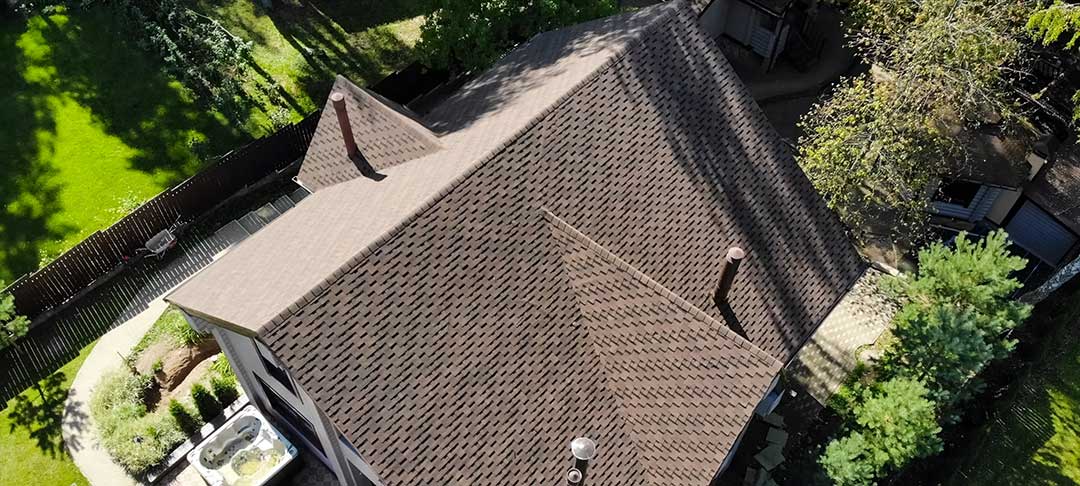
Kingston’s older homes sometimes feature steeper pitches or slate roofing, which are more hazardous for DIY cleaning. If a roof is unusually steep, fragile, heavily covered, or seems unsafe in any way, cleaning from the ground or a lower ladder position is the safest approach. Consider using:
- Roof rakes with telescoping handles for snow or lighter material
- Leaf blowers with extension kits designed for ground operation
Children and pets should be kept away from project areas, and have a friend or family member nearby if you need to use a ladder for any length of time.
What Are Common Misconceptions or Mistakes?
Local residents sometimes underestimate:
- The slipperiness of moss, wet leaves, or frost, even on mild days
- The damage caused by rough scraping or power-washing
- How fast gutters can clog during peak leaf-drop, especially in tree-lined neighborhoods
- The risk of voiding roof and gutter warranties by using high-pressure or abrasive methods
Avoid walking on a roof unless truly necessary, and don’t delay cleaning until spring; winter debris can lead to ice damming, which is a frequent source of water damage in local homes.
How Can Future Debris Problems Be Minimized?
While debris is impossible to prevent entirely in a place with abundant foliage, some practical steps help limit buildup:
- Trim back overhanging tree branches within city guidelines, especially those near chimneys, vents, and roof valleys
- Regularly schedule visual checks, even if the roof was just cleared recently — sudden storms can quickly deposit new material
- Install quality gutter screens or guards if leaf buildup is chronic
- Make roof maintenance part of routine seasonal cleaning, not just an emergency measure after heavy weather
By keeping these habits, area households can preserve roof longevity and avoid preventable repairs — all with straightforward, local-friendly practices.
